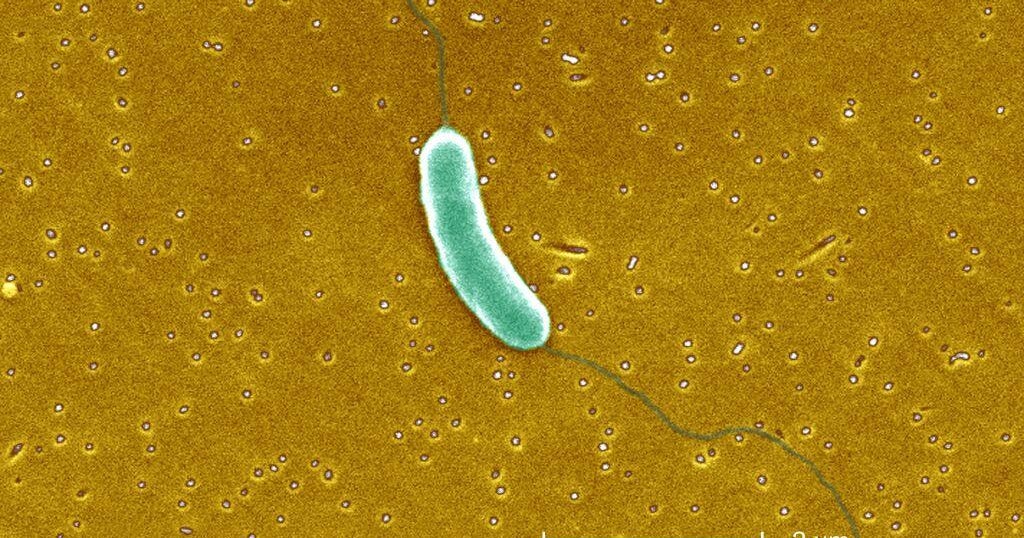
A dangerous strain of flesh-eating bacteria has killed five people in Louisiana so far this year, state health officials reported Thursday, as infections continue to run well above historical averages. The Louisiana Department of Health said at least nine cases of Vibrio vulnificus have been confirmed in 2026, and all nine patients required hospitalization, according to CBS News and WBRZ, which both cited the department's Thursday announcement.
Vibrio vulnificus is a bacteria that occurs naturally in warm coastal waters, and every one of this year's Louisiana cases has been linked to wounds exposed to seawater, the health department said. All nine patients also had underlying health conditions, a detail officials say is central to understanding who is most at risk.
Case Numbers Well Above Normal
The scale of this year's outbreak stands out against Louisiana's typical pattern. Over the past decade, the state has averaged about seven Vibrio vulnificus cases and one death per year during the same time frame, according to the Louisiana Department of Health. This year's total of nine hospitalizations and five deaths already exceeds that yearly average on both counts.
The surge is not unprecedented, however. In 2025, Louisiana recorded at least 26 cases and five fatalities from the bacteria, according to figures cited by CBS News. That means the state has now seen two consecutive years with elevated death tolls from the infection, even though this year's case count so far remains lower than last year's.
In response to the elevated activity, the Louisiana Department of Health said it will begin publishing Vibrio vulnificus case data on a weekly basis through its Public Health Data Spotlight webpage, WBRZ reported, giving the public more frequent updates than in past years.
A Regional and Climate Pattern
Louisiana is not alone in confronting a rise in Vibrio vulnificus infections. The Florida Department of Health has recorded two deaths from the bacteria so far this year, according to CBS News. Florida's toll has been far higher in recent years, with 19 deaths reported in 2024 and five more in 2025. Florida health officials have said the state tends to see higher infection rates following major storms, such as Hurricane Helene in 2024, which left behind extensive floodwater and standing water in coastal communities.
Experts told CBS News that rising water temperatures linked to climate change are helping push Vibrio vulnificus into new areas. This spring, the bacteria was detected in water samples taken off the coast of Long Island, New York, a region not traditionally associated with the pathogen.
There are roughly a dozen species of Vibrio bacteria capable of causing the illness known as vibriosis, but Vibrio vulnificus is considered the most severe and life-threatening. According to the U.S. Centers for Disease Control and Prevention, about one in five people who contract it die, and the Louisiana Department of Health noted that death can come within a day or two of the onset of illness. Infections can also lead to amputation of affected limbs.
Who Is Most at Risk
Health officials in both Louisiana and at the federal level emphasize that Vibrio vulnificus poses the greatest danger to people with certain preexisting health conditions. The Louisiana Department of Health listed liver disease, cancer, diabetes, HIV and thalassemia as conditions that raise the risk of severe illness, along with anyone undergoing immune-suppressing treatment. The department also flagged people taking medications that reduce stomach acid and those who have recently had stomach surgery as being at higher risk of serious complications.
Infections most commonly occur between May and October, when coastal water temperatures are at their warmest, according to the CDC. The bacteria can enter the body two main ways: through an open wound exposed to brackish or salt water, or through eating raw or undercooked seafood, particularly oysters, the CDC said.
Recognizing the Symptoms
Health officials outlined distinct warning signs depending on how the infection develops. A wound infection can cause fever, redness, pain, swelling or warmth around the wound, along with skin discoloration and drainage or discharge, according to the Louisiana Department of Health. A bloodstream infection can bring fever, chills, dangerously low blood pressure and blistering skin lesions. Gastrointestinal infections, meanwhile, can cause diarrhea, stomach cramps, nausea and vomiting, per the CDC.
The Louisiana Department of Health urged anyone whose wound has been exposed to brackish or salt water to seek medical care immediately if it becomes red, swollen, painful, warm or discolored, and to be sure to tell their health care provider about the exposure so Vibrio vulnificus can be considered as a possible cause.
How to Reduce the Risk
To limit exposure, the Louisiana Department of Health is advising residents and visitors to stay out of brackish or salt water entirely if they have an open wound. People who do go into coastal waters near cuts or wounds should cover them with waterproof bandages, officials said, and should wash any wounds thoroughly with soap as soon as possible after potential exposure.
For those in higher-risk groups, the department recommended additional precautions, including wearing protective footwear and clothing while in coastal waters and using gloves when handling raw seafood. When preparing seafood at home, the department also advised cooking it thoroughly and keeping cooked seafood separate from raw seafood to avoid cross-contamination.
What Comes Next
With warm-water season continuing through October, health officials expect the period of heightened Vibrio vulnificus risk to persist for several more weeks along the Gulf Coast. The Louisiana Department of Health's move to weekly public data updates suggests officials anticipate continued monitoring will be necessary, and comparisons with Florida's storm-linked surges point to flooding events as another factor that could shape case counts later in the year. As water temperatures remain elevated and the bacteria's range appears to expand into new coastal regions, health authorities in Louisiana and beyond are likely to keep emphasizing wound care, safe seafood handling and prompt medical attention as the primary tools for preventing further deaths.


